
TL;DR
Multi-currency value investing is value investing applied by someone whose assets, income or spending span more than one currency. The discipline is unchanged, buy below intrinsic value with a margin of safety, but exchange-rate moves add a second variable that can turn a winning investment into a loss once converted home. Measure performance in the currency you actually spend.
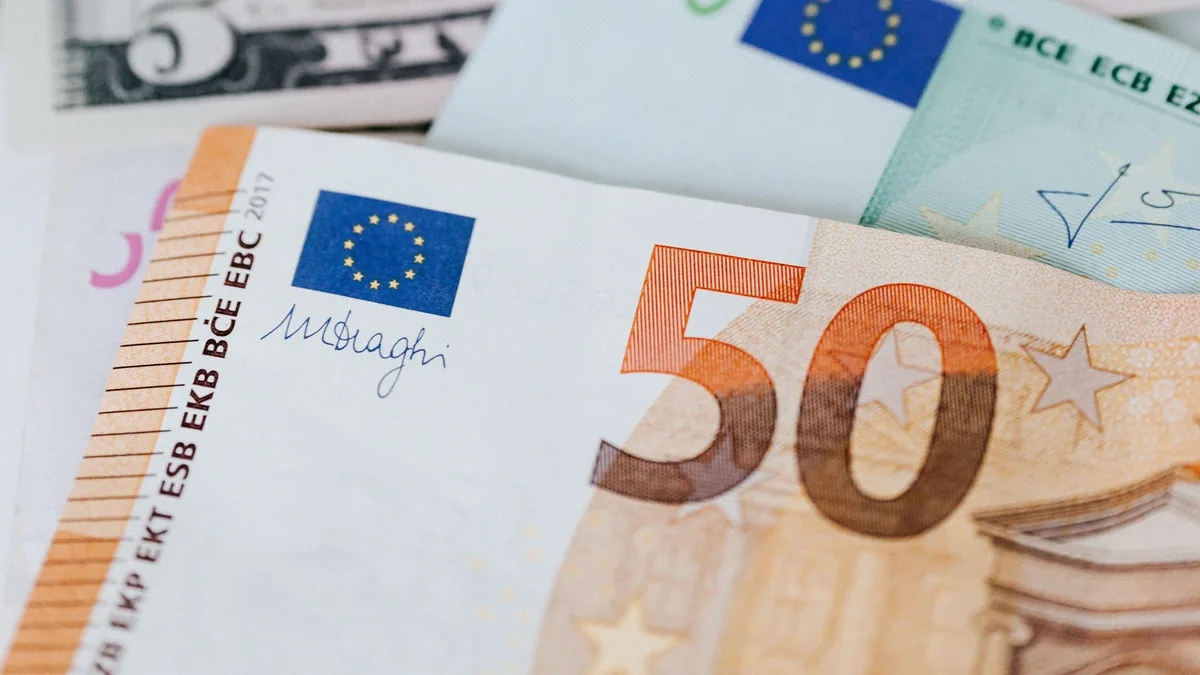
Multi-currency value investing is value investing applied by someone whose assets, income or spending span more than one currency. The core discipline is unchanged, buy below intrinsic value with a margin of safety, but exchange-rate movements add a second variable that can quietly turn a winning investment into a losing one once converted back to your home currency.
If the foundations of buying below value are new to you, the cornerstone guide to value investing sets out intrinsic value, Mr. Market and the margin of safety in full. This piece adds the layer that most guides skip: what happens to all of it once you hold shares priced in a currency that is not your own. For expats and globally diversified investors, that layer is not optional, it sits on top of every position you own.
The hidden variable expats keep forgetting
A stock can rise 20% in its listing currency while the investor's home currency strengthens 25% against it, leaving a real loss after conversion. For expats, digital nomads and international investors, currency is not noise around the edges of a portfolio; it can dominate the result. Any honest assessment of performance has to be measured in the currency you actually spend, because that is the money the position will ultimately have to buy.
Worked example. A British investor buys a US stock at $100; it rises to $120, a 20% gain in dollars. But over the same period the pound strengthens from $1.25 to $1.45. In pounds, the position went from £80.00 to £82.76, a real gain of just 3.5%, not 20%. The business performed exactly as hoped, yet almost all of the headline return was eaten by the exchange rate, and an investor watching only the dollar price would have badly overstated their success.
Currency and your margin of safety
Currency risk erodes margin of safety. If you buy a foreign stock at a 25% discount to intrinsic value but hold it in a currency that may weaken 15% against your home currency, much of your protective buffer can be consumed by exchange rates rather than business risk. Global value investors should therefore think of their margin of safety in home-currency terms, not just in the stock's local currency.
The practical consequence is that a cross-border purchase needs a wider discount than a domestic one to leave the same real protection. The buffer you read about in value investing is meant to absorb being wrong about the business; if a likely currency move quietly spends part of it before you start, you are left with less room for error than the local-currency number suggests. Demand enough discount that a plausible adverse FX swing still leaves you buying below value at home.
Three practical approaches
Match where you can: hold a share of assets in the currency you will eventually spend, reducing the mismatch between your wealth and your future liabilities. An investor who will retire in euros, for example, has a natural reason to keep part of the portfolio in euro-denominated assets rather than betting the whole of it on a single foreign currency holding up.
Diversify currencies deliberately, so no single exchange-rate move dominates your net worth. Spreading exposure across several currencies will not raise your return on its own, but it dampens the chance that one central bank's decision or one country's crisis swamps everything else you own, the same logic that drives diversification across companies, applied to the money those companies are priced in.
Separate the two return drivers: always know how much of a gain came from the business and how much from the currency, so you do not mistake a weak home currency for investment skill. Splitting every result into its business component and its currency component keeps your scorecard honest and stops a falling home currency from flattering an otherwise mediocre stock picker.
Why a base-currency view is essential
You cannot manage what you cannot see. Holding positions across several currencies makes a consolidated, base-currency view of your net worth indispensable. This is precisely the problem Worthmap was built to solve: it records each asset in its native currency, shows the total in the base currency you choose, and charts your net worth over time. To tell genuine investment performance apart from exchange-rate luck on a single holding, use the free FX impact calculator. The companion guide to multi-currency net-worth tracking walks through setting that base-currency view up in practice.
The takeaway
Value investing gives global investors a durable framework, but currency turns it into a two-front discipline. Buy below intrinsic value, demand a margin of safety wide enough to survive a currency move, and track everything in the money you spend. Done well, the multi-currency investor turns a complication into an edge, because most competitors ignore it entirely. If the broader topic is new, the investing for beginners hub is the place to start, and the FX impact calculator lets you put real numbers on the currency side of any position.
Open the FX Impact Calculator
Summary
Currency risk is the hidden variable in value investing abroad. See how to separate real business gains from exchange-rate moves and protect your margin of safety.

Written by
Federico RomaldiCo-Founder, Worthmap
Published: June 6, 2026
Federico is a co-founder of Worthmap, a multi-currency net worth tracker with free investing calculators. He writes the site’s articles on value investing, fundamental analysis and tracking wealth held in several currencies. He is not a licensed financial adviser.
Comments
Be the first to comment on this article.
Related Articles
Educational content only. This article is for informational and educational purposes and does not constitute financial, investment, tax, or legal advice. Worthmap is a wealth-tracking and analysis tool, not a registered investment adviser or broker-dealer. Markets carry risk and past performance does not guarantee future results. Always do your own research and consult a qualified financial adviser before making investment decisions.