
TL;DR
Choosing a broker is a decision about safety and cost, not about chasing the "best" name. Start with regulation and investor protection in a credible jurisdiction, then weigh the all-in fee picture, commissions, spreads, account charges, and especially currency-conversion fees if you invest across borders. Check that it offers the markets, products, and account types you actually need, and that the platform, support, and small print are sound. Treat any pressure to deposit fast, opaque pricing, or vague regulatory claims as a reason to walk away.
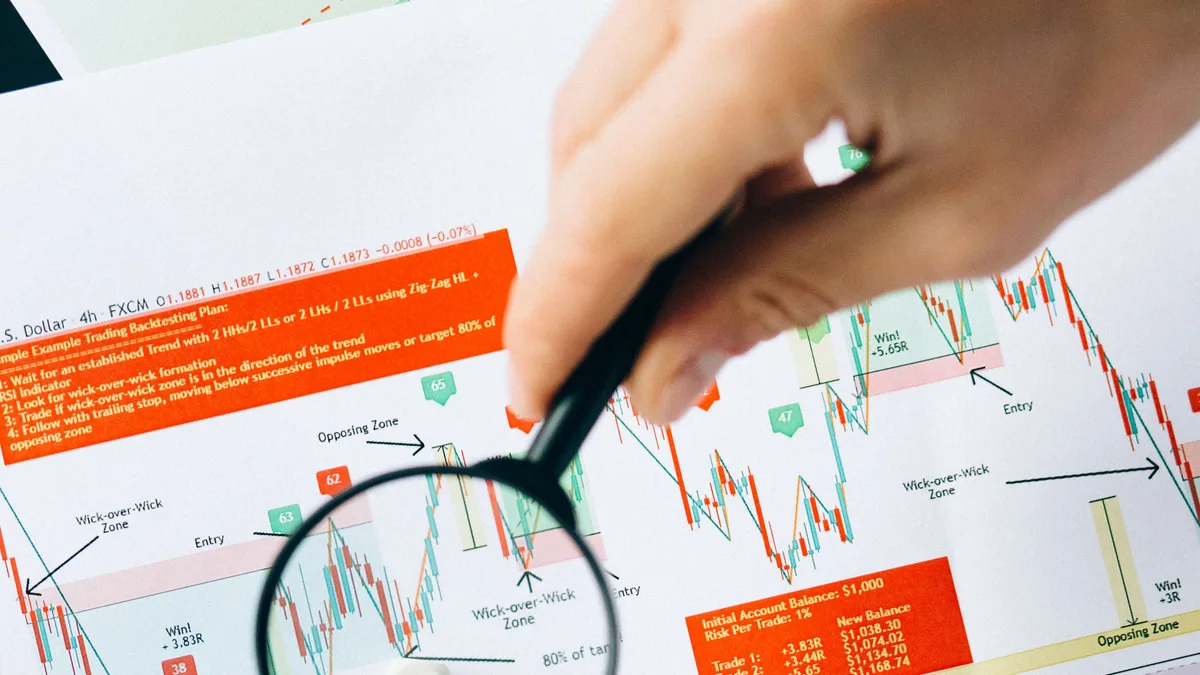
Choosing a stock broker is one of the first real decisions an investor makes, and it shapes everything that follows: what you can buy, what it costs, and how safe your money is. The goal of this guide is not to crown a winner, it is to give you the criteria to judge any broker for yourself, so the choice fits your own situation rather than someone else's marketing.
Resist the urge to start with the flashiest app or the lowest advertised commission. A broker is, before anything else, the custodian of your savings. The right order of questions is safety first, then total cost, then whether it actually does what you need, and only after all three does the look and feel of the platform matter.
Regulation, safety, and investor protection
Begin with regulation, because it is the floor beneath every other feature. A broker should be licensed and supervised by a recognised financial regulator in a credible jurisdiction, and you should be able to verify that licence on the regulator's own public register rather than taking the broker's word for it. Look for client-money rules that keep your assets segregated from the firm's own balance sheet, and for an investor-protection or compensation scheme that returns some of your money if the broker fails. These protections vary widely by country, and they are the single most important thing to confirm before you deposit a cent.
Fees, commissions, and FX costs
Cost is where small differences compound into large ones over the years, so look past the headline trading commission to the all-in picture. Trading fees, bid-ask spreads, account-maintenance or inactivity charges, withdrawal fees, and the markup on market data all add up. A broker advertising "zero commission" may simply earn its keep elsewhere, so read the full fee schedule rather than the banner.
For anyone investing across borders, currency conversion is often the quietest and largest cost of all. If you fund the account in one currency but buy assets priced in another, the broker typically charges a conversion fee, sometimes a transparent percentage, sometimes a hidden markup baked into the exchange rate, on every deposit, every trade, and every dividend. Over a long holding period that drag can dwarf the trading commission, so an expat or multi-currency investor should weigh the FX policy as carefully as the commission itself, and prefer brokers that quote conversion costs openly.
It helps to know what a fair conversion looks like before you compare, so you can spot when a broker is padding the rate; our glossary explains how the exchange rate is set and where hidden spreads creep in. If you are still narrowing down what you actually want to buy, our guide to how to find undervalued stocks can sharpen the shopping list before you pick the shop.
Markets, products, and account types
A broker is only useful if it reaches the markets and products you intend to use. Check that it offers access to the exchanges, asset classes, and instruments you care about, domestic and international shares, exchange-traded funds, bonds, or whatever your strategy requires, rather than a narrow slice dressed up as choice. A cross-border investor in particular should confirm that the foreign markets they want are genuinely available from their country of residence.
The type of brokerage account matters just as much, especially the tax-advantaged wrappers that can change your real return more than any fee. Many jurisdictions offer registered or tax-sheltered accounts for retirement or long-term saving, and not every broker supports every wrapper or every nationality. If you live abroad, confirm that the broker can open the right account type for your residency and tax status before you commit, because moving assets later is rarely free or simple.
Platform, support, and red flags
Once safety, cost, and access check out, the platform and service decide how pleasant the relationship will be. A clear, stable interface, responsive customer support in a language you understand, and sensible tools matter more over a lifetime of investing than a single eye-catching feature. Test the help channels before you fund the account, not after something goes wrong.
Finally, treat warning signs as deal-breakers rather than details to overlook. Pressure to deposit quickly, guaranteed or unrealistic returns, opaque or shifting pricing, difficulty withdrawing your own money, vague or unverifiable regulatory claims, and unsolicited contact urging you to invest are all reasons to walk away. A trustworthy broker makes it easy to verify its credentials, understand its costs, and take your money out, and never rushes you. When in doubt, the safer choice is to do nothing until the picture is clear.
Once you have a shortlist, the real work is comparing the numbers, fees, conversion costs, and projected returns, on a like-for-like basis instead of by gut feel. You can let a calculator do the arithmetic so the comparison is honest; explore our financial tools hub to find the right one for the job.
Explore the financial tools hub
Summary
A broker-neutral guide to choosing a brokerage account: regulation and investor protection first, then all-in fees, FX costs, markets and red flags.

Written by
Federico RomaldiCo-Founder, Worthmap
Published: June 21, 2026
Federico is a co-founder of Worthmap, a multi-currency net worth tracker with free investing calculators. He writes the site’s articles on value investing, fundamental analysis and tracking wealth held in several currencies. He is not a licensed financial adviser.
Comments
Be the first to comment on this article.
Educational content only. This article is for informational and educational purposes and does not constitute financial, investment, tax, or legal advice. Worthmap is a wealth-tracking and analysis tool, not a registered investment adviser or broker-dealer. Markets carry risk and past performance does not guarantee future results. Always do your own research and consult a qualified financial adviser before making investment decisions.